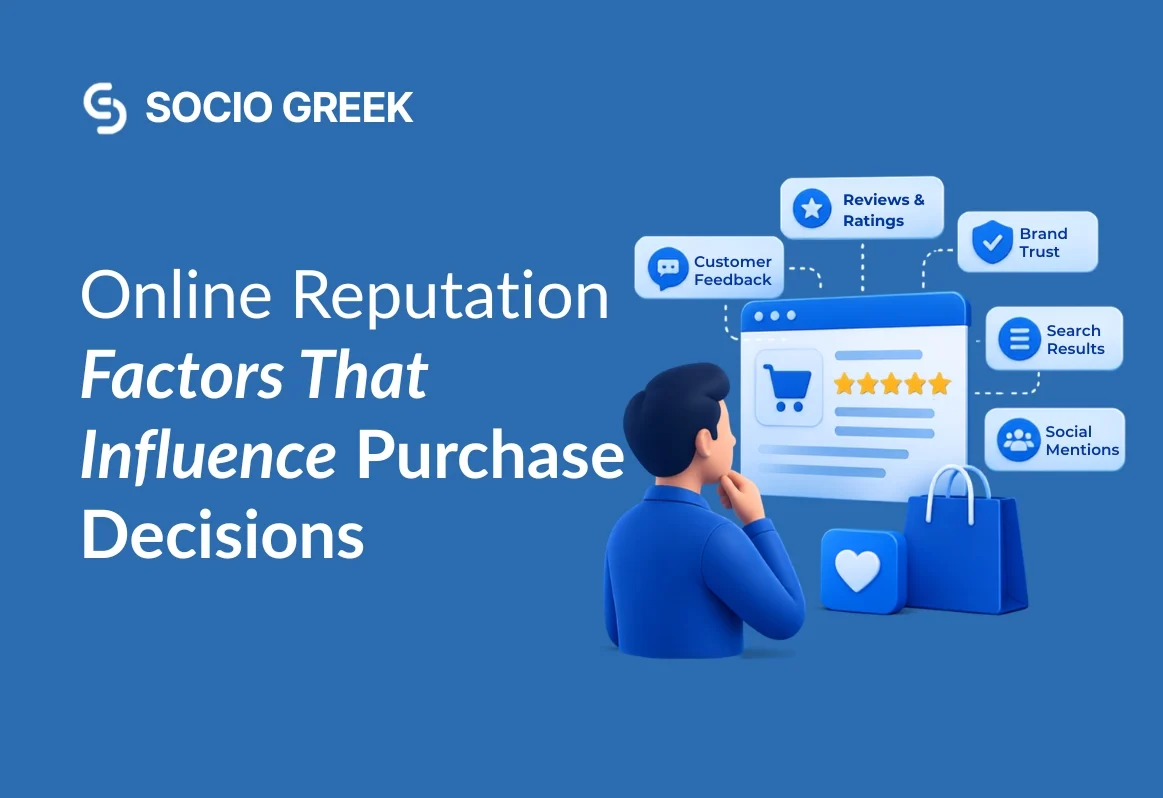
An advertisement by itself does not lead customers to purchase a product or service. Customers go through the process of checking reviews, searching for information in search engines, checking the business’s social media, and browsing its website before ordering.
A positive reputation can increase customers’ trust and make their purchase easier. A bad reputation, however, can lead to the opposite result even if the product is of good quality.
Why Online Reputation Affects Customer Decisions
Consumers may have concerns about quality, safe payment, timely delivery, refunds, and whether the company will be in touch if anything goes wrong.
The information available online will help them assess that risk. For example, positive reviews and clear policies add to the company’s reputation. Unclear information and lack of response to complaints, on the other hand, result in doubt.
1. Recent Reviews and Rating Quality
Reviews are often the first reputation signal customers notice. However, an average rating does not tell the complete story.
Customers also look at:
- How recently reviews were posted
- Whether the feedback includes useful details
- The number of reviews
- Common positive and negative themes
- Whether the business replies to concerns
- Whether the reviews appear natural
A rating of 4.3 based on an ongoing stream of reviews may seem more believable than a perfect rating based on some dated reviews. The latest feedback is indicative of the current service.
Permanent online review monitoring allows the company to spot any shifts in the customers’ sentiment early on. It may also uncover recurring concerns about delivery issues, staff attitudes, returns, product quality, or communication.
2. The Way a Business Handles Negative Feedback
Bad reviews do not represent the whole picture as to why customers don’t choose a certain brand. An uninspired answer, an aggressive attitude or no response at all may cause more harm than a bad review itself.
A good response should:
- Remain polite and calm
- Recognise the concern
- Avoid blaming the customer
- Provide a clear next step
- Move private details away from the public platform
- Show that the issue will be reviewed
Copying the same reply under every complaint looks automatic. A short, relevant response is better, but the business must also follow through privately.
An online reputation management service can help create response rules, escalation steps, and suitable reply times for different types of complaints.
3. Accurate and Consistent Business Information
Customers may check different sources of information before making whatever purchase, including Google, review sites, the company’s website and social media.
The necessary data should be uniform across all these platforms:
- Business name and contact details
- Product or service descriptions
- Pricing and additional charges
- Delivery information
- Return and refund rules
- Opening hours
- Website and support links
Conflicting information creates doubt. If the website and a marketplace show different return periods, customers may choose a competitor.
Keeping profiles updated is a basic part of how online reputation management works. It reduces confusion and helps the business present a reliable identity across the internet.
4. Transparency in Pricing Policies and Promises
It is now clear to customers what exactly they are getting to purchase and what would happen should they not be happy with the purchase. If customers are involved in unexpected charges and hidden costs or are uncertain because of vague information about the product or service, they start having doubts about the trustworthiness of the company.
Clear limitations can make an offer more believable. Customers often trust a company that sets honest expectations more than one that promises everything.
5. Search Results and Independent Brand Mentions
Many customers search the brand name before making a final decision. They may add words such as “reviews,” “complaints,” “refund,” or “is it trusted.”
The first page of search results may contain:
- The official website
- Review profiles
- News coverage
- Social media pages
- Forum discussions
- Videos and comparison articles
- Business directories
Independent mentions influence trust because the brand does not fully control them. Helpful coverage can support credibility, while false information or unresolved complaints can weaken it.
Businesses should monitor branded search results and respond to genuine issues. They should not attempt to remove fair criticism simply because it is negative.
6. Website Experience and Security Signals
A customer may trust the reviews but still leave if the website appears unsafe or difficult to use.
Important trust signals include:
- A secure HTTPS connection
- Clear business and contact information
- Working pages and links
- Recognised payment methods
- A visible privacy policy
- Simple checkout or enquiry forms
- Clear customer support options
Broken pages, poor mobile usability, or forms requesting unnecessary information create concern. Visitors should be able to understand the offer and contact the business easily.
7. Competitor Reputation and Customer Comparison
Customers compare several options. A business may still lose buyers to a competitor with clearer policies, newer reviews, or faster responses.
Learning how to monitor competitors online reputation can help a brand understand market expectations. Useful areas to compare include:
- Review volume and recent rating changes
- Common customer praise
- Repeated complaints
- Response quality and speed
- Search visibility
- Content topics
- Customer service promises
Competitor monitoring is for research, not imitation or interference. Its purpose is to find genuine service gaps.
How to Fix Online Reputation Problems
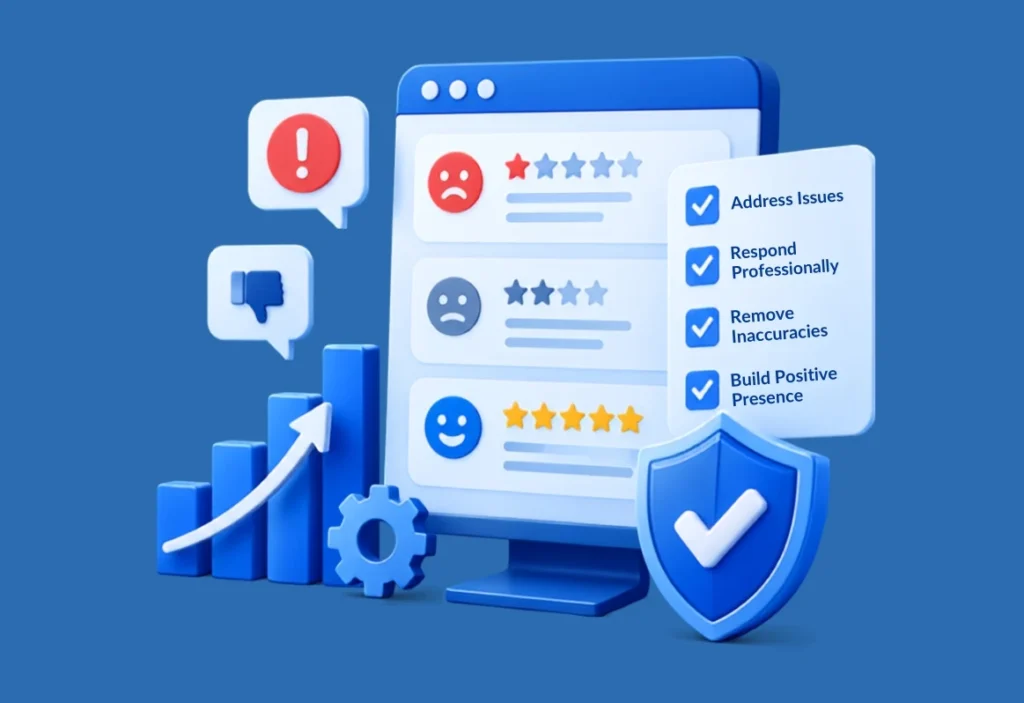
Businesses searching for how to fix online reputation should begin with the cause. Positive content will not solve repeated delivery failures, poor support, or unclear refund policies.
A practical process includes:
- Audit search results, reviews, listings, and social media mentions.
- Correct inaccurate and outdated business information.
- Group feedback by topic to identify repeated complaints.
- Assign operational issues to the correct internal team.
- Respond to reviews through clear and polite guidelines.
- Request honest feedback from real customers.
- Publish useful content that answers common customer concerns.
- Track changes in ratings, sentiment, and branded search results.
Improvement takes time. No ethical provider can guarantee removal of every negative result or promise a fixed rating. Content should be reported only when it breaks platform rules or the law.
How Socio Greek Online Reputation Management Services Can Help
Managing reviews, search results, listings, mentions, and response workflows requires regular attention. As a reputation management agency, Socio Greek brings these activities together through a clear process that helps businesses identify risks and respond consistently.
Socio Greek support may include:
- Reputation audits
- Review and mention monitoring
- Response planning
- Listing corrections
- Search result tracking
- Content strategy
- Crisis support
- Competitor analysis
- Monthly reporting
The aim is to give businesses a clear view of what customers see and improve the factors affecting trust. Like reliable online reputation management companies, Socio Greek focuses on genuine improvement rather than fake reviews, misleading claims, or attempts to silence valid criticism.
Conclusion
Purchase decisions are influenced by recent reviews, response quality, accurate information, clear policies, search results, and website security. These trustworthy brands provide information about their prices, the time of delivery, the limits of the services, and cancellations in easy-to-understand words. Additionally, dishonest brands do not even make statements which might be proven.
FAQ
How does online reputation influence purchase decisions?
Clients read reviews, ratings, company feedback, and search results before making purchases. Helpful and timely data establishes credibility, whereas ignored issues may hold customers back.
How does online reputation management work?
It means tracking reviews and mentions about the company, correcting misrepresentations, answering inquiries, and resolving frequent customer problems.
What is online review monitoring?
Online review monitoring means observing consumers’ feedback on sites where reviews are posted.
Can an online reputation management service remove negative reviews?
An online reputation management service can submit reports concerning reviews that do not comply with the rules of a website but is unqualified to provide assurance about the removal of genuine negative reviews.
When should a business hire a reputation management agency?
A company may require a reputation management company when reviews, complaints, or search results are hard to manage and keep an eye on.